Source mini colorful educational puzzle toys for Kids, Schools, and Homes
Compare 30 mini colorful educational puzzle toys from verified suppliers in China. These options include wooden and plastic designs with certifications like EN71 and ASTM F963, suitable for children's development and classroom activities; compare the available evidence and request quotations based on your requirements.
Key considerations
Products List






Comprehensive Sourcing Guide
Mini Colorful Educational Puzzle Toys Sourcing Guide
Sourcing mini colorful educational puzzle toys requires a strategic balance between visual appeal and developmental utility. Buyers must prioritize products that stimulate cognitive growth while maintaining safety standards for young children. The market offers diverse options, ranging from simple wooden blocks to complex plastic assemblies, each serving distinct educational purposes. Understanding the specific age group and developmental stage is crucial for selecting the right product mix.
Procurement teams should focus on verifying material quality and design integrity before placing large orders. These toys often serve as foundational tools for early childhood education, making durability and non-toxic composition non-negotiable. By aligning product features with recognized educational frameworks, buyers can ensure their inventory meets both parental expectations and regulatory requirements. This approach minimizes return rates and enhances brand reputation in the competitive toy sector.
Product Scope and Observed Listing Signals
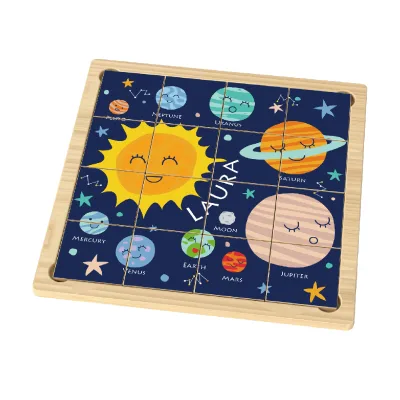
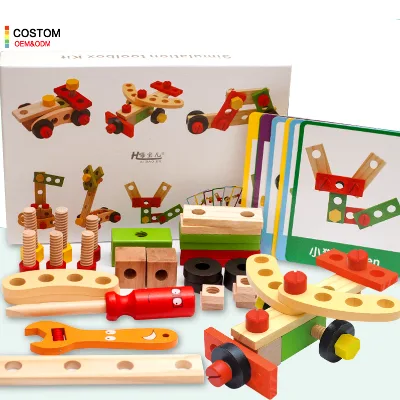
The observed product range includes items made from plastic and wood, indicating a diverse material landscape for buyers to navigate. Specific models like RFD308506 and RFD291007 series demonstrate the variety in dimensions, with sizes ranging from compact 17123cm units to larger 23.923.74.5cm packages. These variations suggest that suppliers cater to different storage needs and display preferences, allowing buyers to select products that fit their logistical constraints effectively.
Listing signals also highlight key attributes such as customization availability and OEM/ODM allowances, which are vital for private label strategies. Products are often marketed for children’s education, with specific mentions of creativity and hand training functions. The presence of color boxes and carton packing options further indicates that suppliers are prepared for both retail-ready and bulk distribution channels, providing flexibility in how these educational tools are presented to end consumers.
Technical Specifications to Verify
Buyers must meticulously verify physical dimensions and packaging metrics to ensure efficient supply chain management. Specifications such as 173.516.5 cm for individual units and carton sizes like 73.53395cm provide critical data for warehouse planning. Understanding the quantity per carton, such as 216 pieces, and the corresponding gross weight of 24 kg helps in calculating shipping costs and storage requirements accurately. These technical details directly impact the overall landed cost of the inventory.
Material composition is another critical technical aspect, with listings specifying plastic types like PP and ABS. These materials are chosen for their durability and safety, but buyers should confirm the exact grade used in manufacturing. Additionally, verifying the puzzle piece count, such as 24 pieces or fewer, ensures the product aligns with the intended difficulty level for the target age group. Accurate specification verification prevents mismatches between ordered and delivered goods.
Compliance and Safety Documentation
Safety certifications are paramount when sourcing toys for children, with EN71 and CE marks frequently cited in product listings. These certifications indicate that the products meet European safety standards for mechanical, physical, and chemical properties. Buyers should request valid test reports to verify that the materials used, particularly plastics and paints, are free from harmful substances. Compliance with these standards is often a prerequisite for importing toys into many international markets.
In addition to European standards, ASTM F963-96a is mentioned as a relevant safety benchmark, particularly for the North American market. This standard outlines specific requirements for toy safety, including flammability and small part hazards. Procurement teams must ensure that suppliers can provide documentation proving adherence to these rigorous testing protocols. Without proper certification, products risk being rejected at customs or facing legal liabilities in the destination country.
Cost Drivers and Commercial Terms
The price range observed, from $0.1 to $99,999, reflects the vast diversity in product complexity and order volume. Mini puzzles typically fall on the lower end of this spectrum, but costs can escalate with custom packaging or specialized educational content. Buyers should analyze the cost structure carefully, considering factors like material selection, molding complexity, and packaging design. Understanding these drivers helps in negotiating better terms and predicting profit margins accurately.
Minimum Order Quantities (MOQs) vary significantly, ranging from 1 to 3000 units, offering flexibility for different business models. Small MOQs are ideal for testing new markets or launching limited editions, while larger volumes secure better unit prices. Buyers should align their order quantities with their sales forecasts to avoid excess inventory. Additionally, confirming payment terms and lead times is essential for maintaining cash flow and ensuring timely delivery to meet seasonal demand peaks.
Supplier Qualification and Quality Control
Supplier qualification involves verifying the origin and manufacturing capabilities of potential partners. Listings indicate origins in Shantou and Lishui, Zhejiang, regions known for toy manufacturing. Buyers should conduct due diligence to assess the supplier’s production capacity and quality control processes. Visiting factories or hiring third-party inspection services can provide insights into the actual manufacturing environment and adherence to quality standards.
Quality control should extend beyond final product inspection to include raw material verification and in-process checks. Suppliers offering OEM/ODM services should demonstrate robust design and engineering capabilities to support custom requirements. Establishing clear quality benchmarks and communication channels with suppliers ensures that any deviations are addressed promptly. Regular audits and performance reviews help maintain consistent product quality and build a reliable supply base.
Long-Term Procurement Checks
Long-term success in sourcing educational toys requires continuous monitoring of market trends and regulatory changes. Buyers should stay informed about updates to safety standards like EN71 and ASTM F963 to ensure ongoing compliance. Adapting to new educational methodologies and consumer preferences is also crucial for maintaining product relevance. Regularly reviewing product performance and customer feedback helps in identifying areas for improvement and innovation.
Building strong relationships with suppliers facilitates better collaboration on new product development and cost optimization. Buyers should consider diversifying their supplier base to mitigate risks associated with single-source dependencies. Implementing a structured procurement process that includes regular supplier evaluations and performance metrics ensures sustained quality and reliability. This proactive approach supports long-term growth and competitiveness in the dynamic toy industry.
FAQs
What certifications do these mini colorful educational puzzle toys have?
These toys hold EN71, CE, and ASTM F963-96a certifications to ensure safety. Some products also meet Hr4040/7p standards and pass SGS, TUV, and BV tests. This ensures they are safe for children in various international markets while meeting strict regulatory requirements for educational play.
Which materials are used to make these mini colorful educational puzzle toys?
Manufacturers use durable plastic types like PP and ABS for most units. Some specific models are constructed from wood to provide a natural feel. These materials are selected for their safety and durability, ensuring the toys remain intact during active play by children.
Can I customize the packaging for these mini colorful educational puzzle toys?
Yes, customization is available for packaging and product specifications. Options include color boxes or cartons with specific dimensions like 17*3.5*16.5 cm. OEM and ODM services are allowed, enabling buyers to tailor the product presentation to their specific brand requirements.
What is the typical MOQ for ordering these mini colorful educational puzzle toys?
The minimum order quantity ranges from 1 to 3000 pieces depending on the specific model. Buyers can find options starting at a single unit for testing or larger volumes for bulk distribution. This flexibility supports both small retailers and large wholesale distributors effectively.
Where are these mini colorful educational puzzle toys manufactured?
Production originates from locations such as Shantou and Lishui in Zhejiang, China. These regions are known for their manufacturing capabilities in the toy industry. The products are designed for both indoor and outdoor use, ensuring versatility for children across different environments.
How are these mini colorful educational puzzle toys packed for shipping?
Items are packed in color boxes or cartons with defined quantities per container. For example, one carton may hold 216 pieces with a gross weight of 24 kg. The carton measurements vary, such as 73.5*33*95 cm, to optimize logistics and protect the products during transit.